

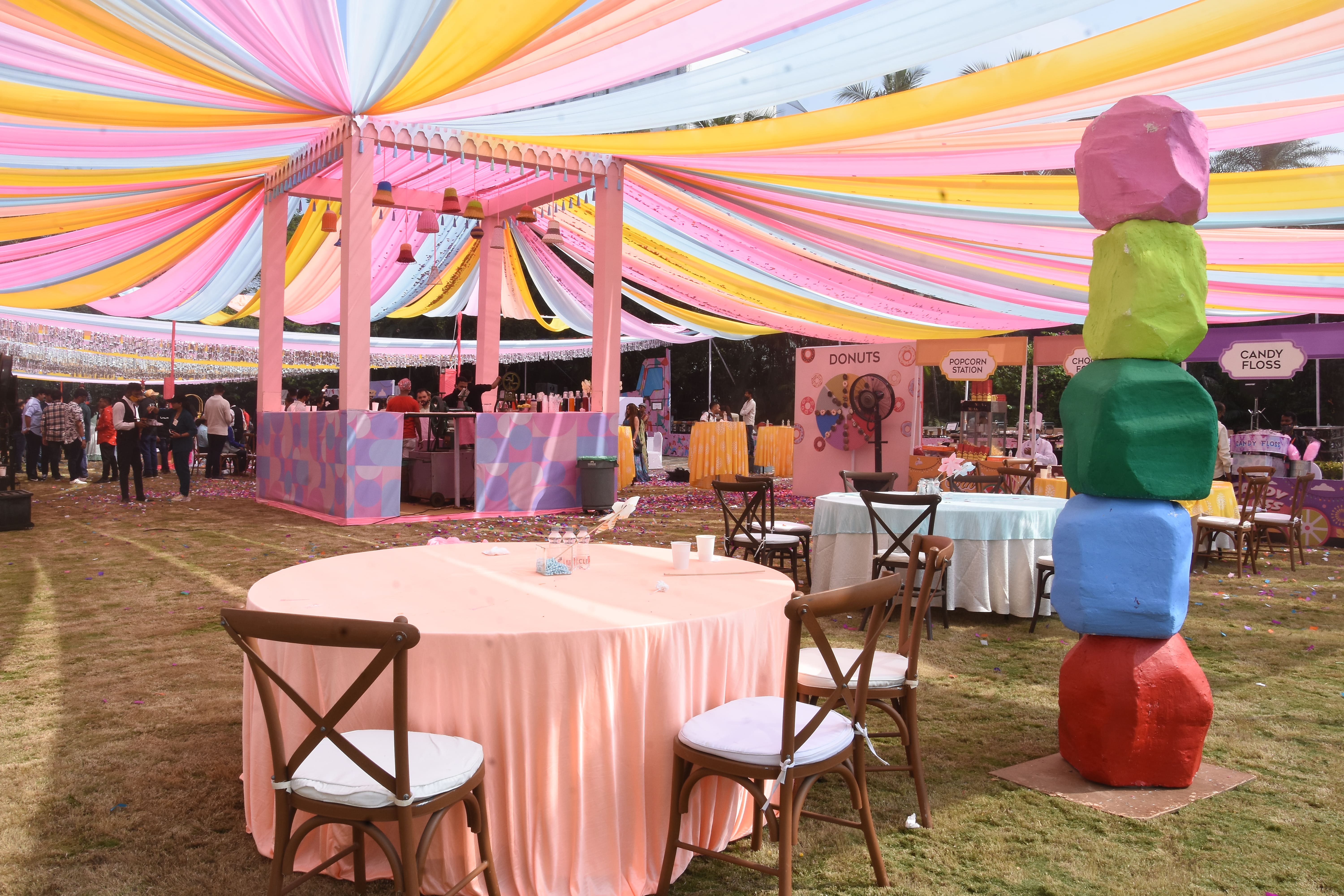

There’s something magical about destination weddings in India. Whether it’s exchanging vows on a beach in Goa, celebrating royalty in Jaipur, or hosting an intimate ceremony amid Kerala’s backwaters, destination weddings create memories that last forever. But behind every beautiful wedding album is months of careful planning, coordination, and decision-making.
Unlike traditional hometown weddings, destination weddings require extra attention to travel, accommodation, guest management, weather conditions, and budgets. The good news? With the right checklist and planning strategy, you can enjoy the process without feeling overwhelmed.
Here’s the ultimate guide to planning a destination wedding in India smoothly and stress-free.
1. Finalize Your Wedding Budget First
Before looking at venues or décor inspiration on Instagram, sit down and decide your realistic wedding budget. A destination wedding can quickly become expensive if costs are not tracked early.
Your budget should include:
-
Venue booking
-
Accommodation
-
Food and beverages
-
Travel expenses
-
Décor and entertainment
-
Photography and videography
-
Wedding outfits and makeup
-
Local transportation
-
Emergency or backup expenses
Many couples make the mistake of spending heavily on décor while underestimating guest logistics. Prioritize comfort and experience first, especially if guests are traveling long distances.
A smart approach is to divide your budget into categories and allocate percentages to each. Always keep at least 10% aside for unexpected expenses.
2. Choose the Right Destination
India offers countless destination wedding locations, but the right choice depends on your wedding style, guest count, and season.
Goa – Perfect for Beach Weddings
Goa remains one of the most popular wedding destinations for couples who want relaxed celebrations, sunset ceremonies, and vibrant after-parties. Beach resorts, luxury villas, and private properties offer beautiful settings for intimate and grand weddings alike.
Best time for weddings in Goa:
-
November to February
Avoid:
-
Monsoon season (June to September)
Jaipur – Royal and Grand Celebrations
If you dream of a royal wedding with palace backdrops and traditional charm, Jaipur is ideal. Heritage hotels and forts provide a luxurious experience with rich cultural aesthetics.
Best time for weddings in Jaipur:
-
October to March
Avoid:
-
Peak summer months due to extreme heat
Kerala – Elegant and Scenic Weddings
Kerala is perfect for couples looking for peaceful, nature-inspired celebrations. Backwaters, hill stations, and beachfront resorts create stunning wedding experiences.
Best time for weddings in Kerala:
-
September to March
Avoid:
-
Heavy monsoon months if planning outdoor functions
Choose a destination that reflects your personality as a couple while also being practical for guests to travel to.
3. Book Your Venue Early
The best wedding venues in India are often booked 8–12 months in advance, especially during peak wedding season.
When selecting a venue, check:
-
Guest accommodation capacity
-
Indoor and outdoor event spaces
-
Backup options during rain
-
Catering policies
-
Vendor restrictions
-
Parking and transportation accessibility
-
Noise regulations and event timing rules
If possible, visit the venue personally before finalizing. Photos online may not always reflect actual conditions.
A venue should not only look beautiful but also function smoothly for multiple wedding events like mehendi, sangeet, haldi, ceremony, and reception.
4. Plan Guest Logistics Carefully
Guest management is one of the biggest challenges in destination weddings. A well-organized experience makes guests feel welcomed and comfortable throughout the celebration.
Prepare:
-
Guest lists early
-
Travel itineraries
-
Airport or railway station pickups
-
Hotel room allocations
-
Welcome kits with schedules and essentials
Many couples now create wedding websites or WhatsApp groups to keep guests updated with travel details and event timings.
For elderly guests or families with children, ensure easy transportation and nearby medical facilities. Small thoughtful arrangements leave a lasting impression.
5. Coordinate Travel and Accommodation
Destination weddings involve multiple moving parts. Flight delays, check-in timings, and local transport coordination can affect the entire schedule.
To avoid confusion:
-
Block hotel rooms in advance
-
Negotiate group booking discounts
-
Arrange shuttle services between venues
-
Share maps and emergency contact numbers
-
Keep a dedicated hospitality team available
If your wedding destination is remote, arrange transportation from the nearest airport or railway station. Guests appreciate smooth coordination more than extravagant decorations.
6. Hire Local Vendors or an Event Management Team
Managing everything yourself can become stressful, especially in another city or state. Hiring a professional event management company helps streamline the entire process.
Experienced planners assist with:
-
Venue coordination
-
Vendor management
-
Decor execution
-
Timeline planning
-
Guest hospitality
-
Technical setups
-
Last-minute problem-solving
Local vendors also understand weather conditions, regional regulations, and backup arrangements better.
A professional team ensures you spend less time worrying and more time enjoying your wedding celebrations.
7. Keep Weather and Seasonal Conditions in Mind
Weather can completely influence your wedding experience. Always plan according to seasonal conditions of your destination.
For example:
-
Goa weddings during monsoon may disrupt beach events
-
Jaipur summers can be uncomfortable for daytime functions
-
Kerala humidity may affect makeup, décor, and outdoor arrangements
Always ask venues about:
-
Indoor backup spaces
-
Air conditioning arrangements
-
Rain contingency plans
-
Power backup facilities
A beautiful wedding is not just about aesthetics — guest comfort matters equally.
8. Create a Realistic Wedding Timeline
Destination weddings usually involve multiple events over two or three days. Without a proper schedule, delays can affect every function.
Create a timeline for:
-
Guest arrivals
-
Vendor setup
-
Makeup and photography schedules
-
Event transitions
-
Meal timings
-
Entertainment performances
Avoid overpacking the itinerary. Guests also need time to relax and enjoy the destination.
Keeping some buffer time between events reduces stress and improves coordination.
9. Focus on Guest Experience
The best destination weddings are the ones where guests feel involved, comfortable, and emotionally connected.
Simple ideas include:
-
Personalized welcome notes
-
Regional food experiences
-
Local sightseeing activities
-
Interactive entertainment
-
Comfortable seating areas
-
Thoughtful return gifts
Couples often remember how smoothly the wedding felt more than how expensive it looked.
A warm, well-organized atmosphere creates unforgettable memories for everyone attending.
10. Enjoy the Process
Wedding planning can feel overwhelming at times, but remember the purpose behind it all — celebrating love with your closest people.
Not everything will go exactly according to plan, and that’s completely normal. Sometimes the unexpected moments become the most cherished memories later.
Delegate responsibilities, trust your team, and allow yourself to truly enjoy the experience.
At the end of the day, a destination wedding is not just about stunning locations or grand décor. It’s about creating meaningful moments in a beautiful setting with the people who matter most.
And with the right planning checklist, your dream wedding in India can become a seamless and unforgettable celebration.

