

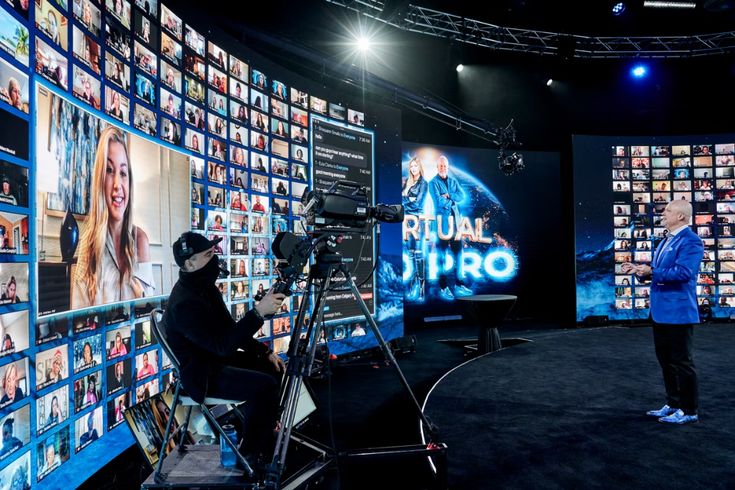
Hybrid Events in 2026: How to Combine Virtual and Physical Experiences

The event industry has changed dramatically over the last few years. What started as a temporary shift toward online meetings and virtual conferences has now evolved into something much bigger — hybrid events. In 2026, hybrid events are no longer considered a backup option. They have become one of the smartest and most effective ways to connect with audiences across locations.
Businesses, brands, educational institutions, and even wedding planners are embracing hybrid experiences because they offer flexibility, wider reach, and better audience engagement. A well-planned hybrid event combines the energy of an in-person gathering with the accessibility of virtual participation.
But creating a successful hybrid event is not as simple as placing a camera in a conference hall and starting a livestream. It requires strategy, technology, coordination, and thoughtful audience engagement.
Here’s how modern event planners are successfully combining virtual and physical experiences in 2026.
What Is a Hybrid Event?
A hybrid event is an event where some attendees participate physically at the venue while others join remotely through online platforms. Both audiences experience the same event in different ways but remain connected through technology and interactive experiences.
Examples of hybrid events include:
-
Corporate conferences
-
Product launches
-
Award ceremonies
-
Trade shows
-
Educational seminars
-
Music performances
-
Internal company meetings
-
Brand activations
The goal is to create a seamless experience where virtual attendees feel just as involved as people attending in person.
Why Hybrid Events Are Growing Rapidly
One of the biggest reasons hybrid events continue to grow in 2026 is accessibility. Not everyone can travel due to cost, schedules, visa restrictions, or health concerns. Hybrid formats allow people to participate from anywhere in the world.
Businesses also benefit because hybrid events:
-
Reach larger audiences
-
Reduce travel and accommodation costs
-
Increase brand visibility
-
Generate more attendee data
-
Extend event lifespan through recorded content
-
Improve audience flexibility
For attendees, hybrid events provide convenience without completely losing the personal experience of physical interaction.
Start with a Clear Event Strategy
The biggest mistake organizers make is treating the virtual audience as secondary. A successful hybrid event must be designed for both experiences from the beginning.
Before planning anything, define:
-
Event goals
-
Target audience
-
Preferred platforms
-
Budget
-
Engagement expectations
-
Technical requirements
Ask yourself:
-
Will virtual attendees simply watch, or will they interact?
-
Are networking sessions important?
-
Will there be live Q&A sessions?
-
Do you need breakout rooms?
-
Should sessions be available on-demand afterward?
The answers will shape the entire event structure.
Choose the Right Technology Platform
Technology is the backbone of hybrid events. In 2026, audiences expect smooth streaming, professional production quality, and interactive features.
Your event platform should support:
-
High-quality live streaming
-
Real-time chat
-
Polls and audience interaction
-
Networking rooms
-
Mobile accessibility
-
Session recordings
-
Multi-language support
-
Analytics and attendee tracking
A poor technical experience can quickly reduce engagement levels, especially for virtual attendees.
Always test:
-
Internet connectivity
-
Audio systems
-
Backup power
-
Camera angles
-
Streaming quality
-
Presentation transitions
Having a dedicated technical support team during the event is essential.
Design Separate Experiences for Both Audiences
One important reality of hybrid events is that physical and virtual audiences behave differently.
In-person guests enjoy:
-
Face-to-face networking
-
Venue atmosphere
-
Live entertainment
-
Food and hospitality
Virtual attendees value:
-
Convenience
-
Interactive digital tools
-
Easy navigation
-
Flexible viewing options
Instead of trying to make both experiences identical, focus on making both equally engaging.
For example:
-
Offer live audience reactions on screens for speakers
-
Allow online attendees to submit questions in real time
-
Create digital networking lounges
-
Use event apps for interaction
-
Include behind-the-scenes content for virtual viewers
The key is inclusion. No attendee should feel disconnected from the event experience.
Invest in Professional Production Quality
Hybrid events in 2026 are closer to television productions than traditional conferences. Audiences now expect polished visuals and smooth presentations.
Important production elements include:
-
Multiple camera setups
-
Proper stage lighting
-
High-quality microphones
-
LED displays
-
Branded visuals
-
Smooth audio mixing
Poor sound quality is one of the fastest ways to lose virtual attendees.
A professional production setup also improves brand perception and creates more reusable content for future marketing.
Make Audience Engagement a Priority
One major challenge with virtual events is maintaining attention spans. People attending remotely are surrounded by distractions.
Interactive engagement helps keep audiences involved.
Popular engagement ideas include:
-
Live polls
-
Interactive quizzes
-
Real-time Q&A sessions
-
Social media walls
-
Virtual networking games
-
Gamification rewards
-
Digital giveaways
-
Audience shout-outs
For physical attendees, engagement can include:
-
Experience zones
-
Live demonstrations
-
Networking lounges
-
Interactive booths
-
Entertainment performances
The more participants feel involved, the more successful the event becomes.
Create Content That Works for Both Formats
Not every session translates well online. Long speeches that may work in a ballroom can feel exhausting for virtual attendees.
Hybrid-friendly content should be:
-
Shorter and dynamic
-
Visually engaging
-
Conversational
-
Interactive
-
Easy to follow remotely
Panel discussions, fireside chats, demonstrations, and storytelling sessions often perform better than lengthy presentations.
Break larger sessions into smaller segments to maintain energy levels throughout the event.
Use Data and Analytics Effectively
One advantage of hybrid events is the amount of measurable data they generate.
Modern event platforms can track:
-
Attendance rates
-
Session engagement
-
Poll participation
-
Viewing duration
-
Networking activity
-
Audience interests
These insights help organizers improve future events and understand attendee behavior more deeply.
Data also helps sponsors evaluate return on investment, making hybrid events attractive for brand partnerships.
Sustainability Benefits of Hybrid Events
Hybrid events are also becoming popular because they support sustainability goals.
By reducing unnecessary travel and printed materials, companies can lower their environmental impact while still maintaining audience reach.
Many organizations in 2026 are now including sustainability metrics as part of their event planning strategy.
Digital brochures, online registrations, and virtual attendance options contribute to greener event management practices.
The Future of Hybrid Events
Hybrid events are no longer just a trend — they are becoming the standard for modern event experiences.
As technology continues to improve, we can expect:
-
AI-powered networking
-
Virtual reality event spaces
-
Personalized attendee experiences
-
Smart audience analytics
-
More immersive digital interaction
However, despite all technological advancements, one thing remains constant: people still value meaningful human connection.
The future of successful events lies in balancing technology with authentic experiences.
Final Thoughts
Hybrid events in 2026 are redefining how people connect, learn, celebrate, and collaborate. When planned correctly, they offer the best of both worlds — the emotional energy of physical gatherings and the limitless accessibility of virtual participation.
The secret to a successful hybrid event is not choosing between online or offline experiences. It’s learning how to blend them seamlessly.
With the right strategy, technology, and audience-focused planning, hybrid events can create stronger engagement, wider reach, and unforgettable experiences for everyone involved.

