


Planning a wedding is one of the most exciting phases in a couple’s life. From choosing the perfect venue to selecting beautiful outfits and creating unforgettable memories, every detail matters. However, along with the excitement comes one important question: “How much will it all cost?”
Indian weddings are known for their grandeur, traditions, and celebrations that often last for several days. While every wedding is unique, understanding where most of the money is spent can help couples make smarter decisions and avoid unnecessary stress.
In this guide, we break down the major wedding expenses and explain where Indian couples typically spend the most when planning their big day.
Why Wedding Budget Planning Is Important
Many couples start wedding planning with a rough estimate of expenses. However, costs can quickly increase when multiple ceremonies, guest lists, and family expectations come into the picture.
A clear budget helps:
-
Track spending
-
Prioritize important elements
-
Avoid last-minute financial surprises
-
Make informed decisions
-
Keep wedding planning stress-free
The key is not necessarily spending less but spending wisely.
1. Venue and Accommodation – The Biggest Expense
For most Indian weddings, the venue takes the largest share of the budget.
Whether it’s a banquet hall, luxury hotel, resort, farmhouse, or destination wedding location, venue costs can vary significantly based on the city, season, and number of guests.
Venue expenses often include:
-
Hall or lawn rental
-
Seating arrangements
-
Basic decorations
-
Lighting
-
Guest accommodation
-
Parking facilities
For destination weddings, accommodation can become an even bigger expense since guests may stay for multiple days.
On average, venue and accommodation can account for 30% to 40% of the total wedding budget.
2. Catering and Food
Ask any wedding guest what they remember most, and food will almost always be on the list.
Indian weddings are famous for elaborate menus featuring regional cuisines, live counters, desserts, and special dishes. Since weddings often involve large guest lists, catering becomes one of the highest expenses.
Factors affecting food costs include:
-
Number of guests
-
Menu variety
-
Live food stations
-
Premium ingredients
-
Multiple event meals
Many families prefer offering a memorable dining experience, making catering one of the top priorities in wedding spending.
Food and beverages usually consume around 20% to 30% of the wedding budget.
3. Wedding Outfits and Fashion
Every bride and groom dream of looking their best on their wedding day.
From designer lehengas and sherwanis to jewelry, footwear, and accessories, wedding fashion can quickly become a significant expense.
A typical wedding wardrobe may include:
-
Engagement outfit
-
Mehendi outfit
-
Sangeet attire
-
Wedding day attire
-
Reception outfit
Bridal wear often receives the highest attention, but grooming, styling, and accessories also add to the overall cost.
Many couples allocate 10% to 15% of their budget toward clothing and personal styling.
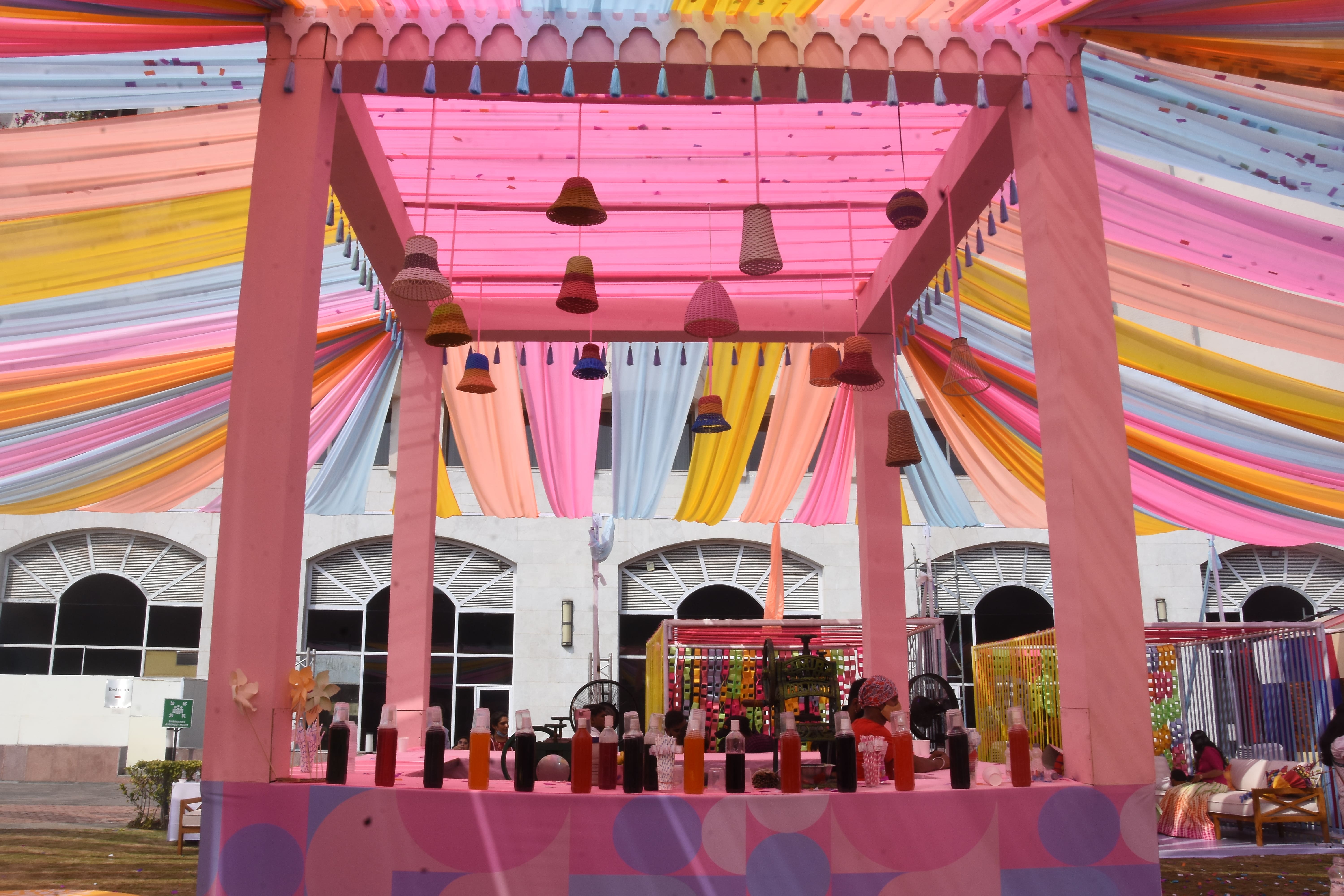
4. Decorations and Wedding Themes
Decorations play a major role in creating the atmosphere and visual appeal of a wedding.
Today, couples often choose customized themes that reflect their personalities and preferences. Floral arrangements, stage setups, lighting, entrance designs, and table décor all contribute to the final look.
Popular decoration styles include:
-
Traditional floral décor
-
Royal palace themes
-
Rustic outdoor setups
-
Modern luxury designs
-
Eco-friendly wedding themes
While décor can transform a venue beautifully, it can also become expensive if not planned carefully.
Decorations generally account for 10% to 20% of the total wedding budget.
5. Photography and Videography
The wedding may last only a few days, but photographs and videos preserve the memories for a lifetime.
Professional wedding photography has evolved significantly in recent years. Couples now look for cinematic videos, pre-wedding shoots, drone coverage, and social media-ready content.
Photography packages may include:
-
Pre-wedding shoots
-
Traditional photography
-
Candid photography
-
Cinematic wedding films
-
Drone videography
-
Wedding albums
Many couples consider photography a valuable investment because it captures moments that can be cherished forever.
Photography and videography often take up around 5% to 10% of the wedding budget.
6. Entertainment and Performances
Entertainment has become an important part of modern Indian weddings.
Guests enjoy events that offer more than traditional ceremonies. As a result, many couples invest in engaging entertainment options.
Popular choices include:
-
Live bands
-
DJs
-
Dance performances
-
Celebrity appearances
-
Folk artists
-
Interactive guest activities
While entertainment is optional, it can significantly enhance the overall guest experience.
Depending on the scale of the event, entertainment may account for 5% to 10% of the wedding budget.
7. Invitations and Wedding Stationery
Wedding invitations are often the first impression guests receive about the celebration.
Traditional printed invitation cards remain popular, although many couples now use digital invitations to reduce costs and simplify communication.
Invitation expenses may include:
-
Printed cards
-
Custom packaging
-
Courier charges
-
Digital invitations
-
Event itineraries
Although invitations usually represent a smaller percentage of the overall budget, they still require proper planning.
8. Transportation and Logistics
Managing transportation becomes essential, especially for destination weddings or events with guests arriving from different locations.
Transportation costs may include:
-
Guest pickup and drop services
-
Luxury cars for the couple
-
Airport transfers
-
Shuttle arrangements between venues
Good logistics ensure guests have a smooth and comfortable experience throughout the celebrations.
9. Wedding Planner and Event Management Services
Many couples today hire professional wedding planners to reduce stress and ensure smooth execution.
Wedding planners handle:
-
Vendor coordination
-
Venue management
-
Budget tracking
-
Guest management
-
Event scheduling
-
Decoration supervision
Although hiring a planner adds an expense, it often saves time, prevents costly mistakes, and helps couples enjoy their special day without worrying about arrangements.
Hidden Expenses Couples Often Forget
During wedding planning, certain costs are frequently overlooked.
These may include:
-
Vendor tips
-
Marriage registration fees
-
Emergency purchases
-
Extra guest arrangements
-
Last-minute décor additions
-
Accommodation upgrades
Setting aside a contingency fund of 5% to 10% can help cover unexpected expenses without affecting the overall budget.
Tips to Manage Wedding Expenses Smartly
If you’re planning a wedding, consider these practical budgeting tips:
-
Finalize the guest list early.
-
Compare multiple vendor quotations.
-
Prioritize what matters most to you.
-
Avoid unnecessary upgrades.
-
Book vendors well in advance.
-
Keep track of every expense.
-
Maintain an emergency budget.
Remember, a memorable wedding is not defined by how much money is spent but by the joy, love, and experiences shared with family and friends.
Final Thoughts
Indian weddings are beautiful celebrations filled with traditions, emotions, and unforgettable moments. While expenses can add up quickly, understanding where the majority of the budget goes helps couples plan more effectively.
Typically, the largest expenses include venue, catering, outfits, decorations, and photography. By setting clear priorities and managing finances carefully, couples can create a dream wedding without unnecessary financial pressure.
At the end of the day, the most valuable part of any wedding is not the decorations or the venue—it is the memories created with loved ones as two people begin a new chapter together.

